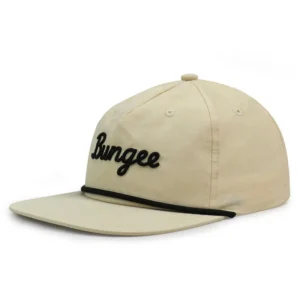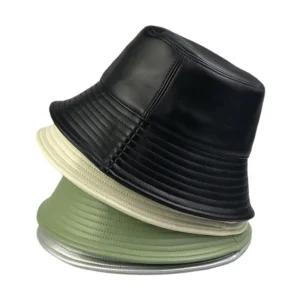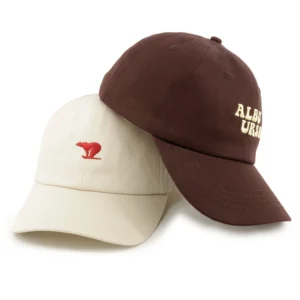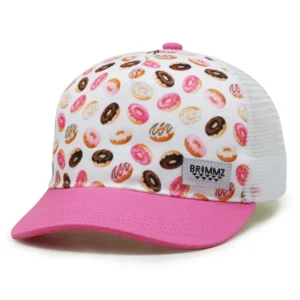





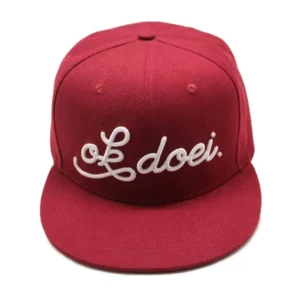
Flat Bill Hats & Caps

FREE LOGO IMPRINT

Complimentary Free Logo Imprint

FREE LOGO SETUP

Complimentary Free Logo Setup

FAST HUMAN SUPPORT 

Responsive Human Service

FREE MOCK-UP

Complimentary Free Artwork Proof

Showing all 10 results

Flat Bill Hats & Caps

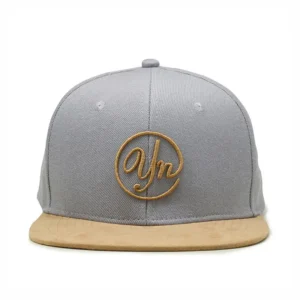
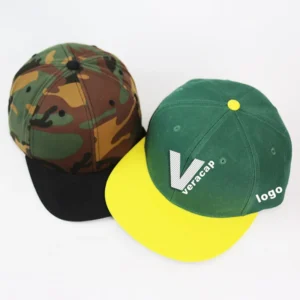
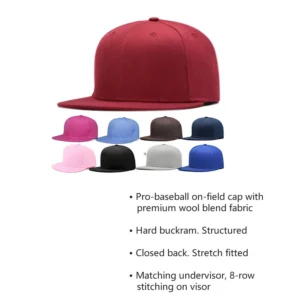
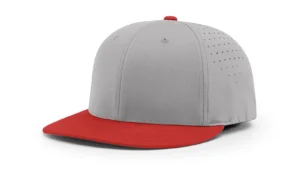
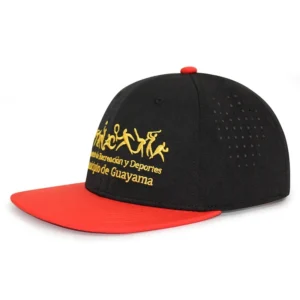
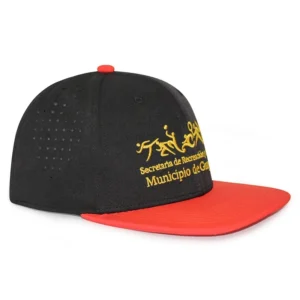
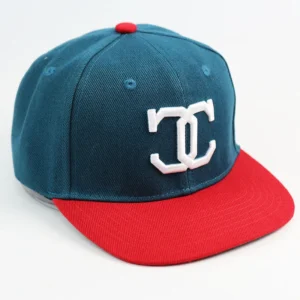
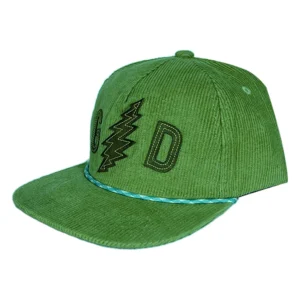
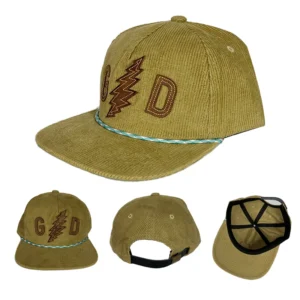
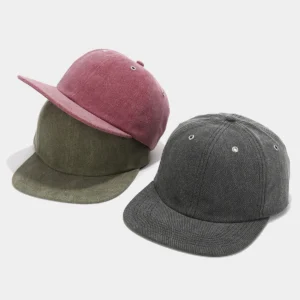
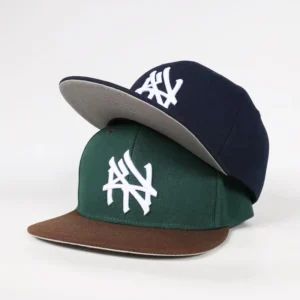
Flat Bill Hats & Caps are modern and stylish headwear products known for their flat visor design and structured look. As a China-based manufacturer, we specialize in producing high-quality flat bill caps for wholesalers, distributors, and global brands. Our factory supports bulk production of custom flat bill baseball caps and structured snapback flat bill hats for large-scale sourcing and private label businesses. These caps are widely used in streetwear, sports, and promotional markets. With advanced production technology, skilled teams, and strict quality control, we ensure consistent manufacturing, competitive pricing, and reliable global delivery.

Key Features

  • Flat visor design for modern style
  • Structured crown for strong shape
  • Durable materials and stitching
  • Comfortable everyday wear
  • Supports embroidery and branding
  • Popular in streetwear markets
  • Stable bulk production quality

Types / Variations

  • classic flat bill caps
  • snapback flat brim hats
  • streetwear flat visor caps
  • sports flat bill hats
  • custom logo flat bill caps
  • premium cotton flat caps

Use Cases

  • streetwear fashion brands
  • sports and athletic teams
  • retail cap stores
  • promotional branding campaigns
  • corporate merchandise products
  • wholesale distributors supplying global markets

Why Choose Us

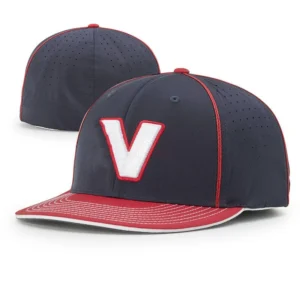
As a professional manufacturer in China, we provide factory-direct flat bill hats & caps production tailored for bulk buyers and distributors. Our production focuses on structure quality, modern design, and customization flexibility. We support OEM and private label solutions with strong quality control and reliable logistics support. In addition, we also manufacture premium fitted flat bill caps to support broader product expansion.

The Categories provide a framework to which existing art information systems can be mapped and upon which new systems can be developed. In addition, the discussions in the CDWA identify vocabulary resources and descriptive practices that will make information residing in diverse systems both more compatible and more accessible. The use of the CDWA framework will contribute to the integrity and longevity of data and will facilitate its inevitable migration to new systems as informational technology continues to evolve. Above all, it will help to give end-users consistent, reliable access to information, regardless of the system in which it resides.